A decade ago, traceability was an export requirement for European or American markets and irrelevant to local trade. That's changed. Supermarket chains, upmarket butcheries, hotels, and restaurant groups across Southern Africa are now asking the same question: where exactly did this come from?
Why buyers care about origin
The demand isn't about paperwork — it's about risk management. When a food safety incident occurs, retailers need to identify affected product fast. Without traceability, the safest option is to pull everything from a region or supplier. With traceability, they can isolate exactly the affected batch and protect the rest of the supply chain.
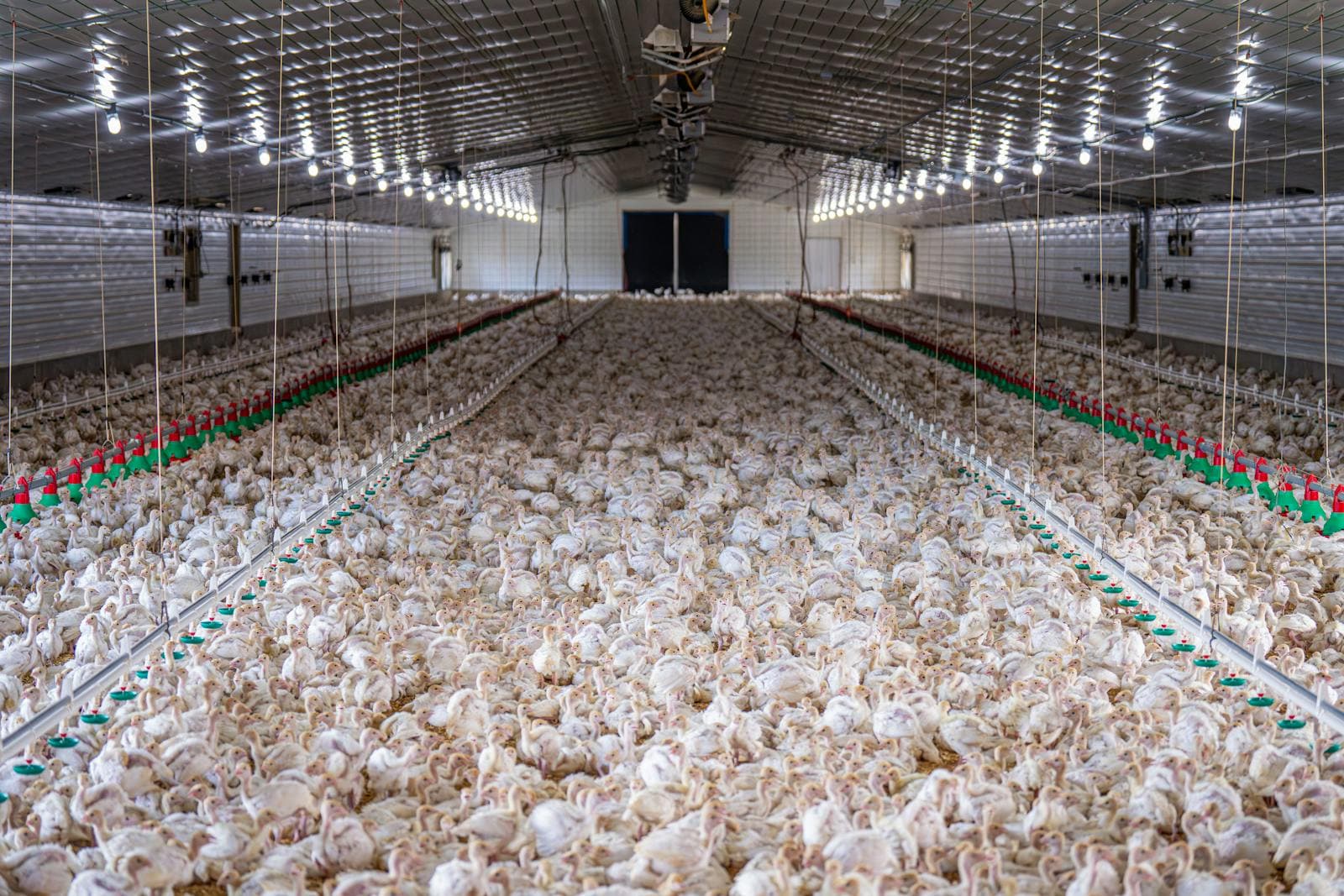
For premium product positioning — grass-fed beef, free-range poultry, pasture-raised eggs — traceability is the only way to substantiate a claim. "We say it's free-range" is marketing. "Here's the record of every day that batch was on pasture" is proof.
What a traceability certificate contains
A traceability document for a slaughter animal or batch will typically include:
- Issuing farm name and public identity details
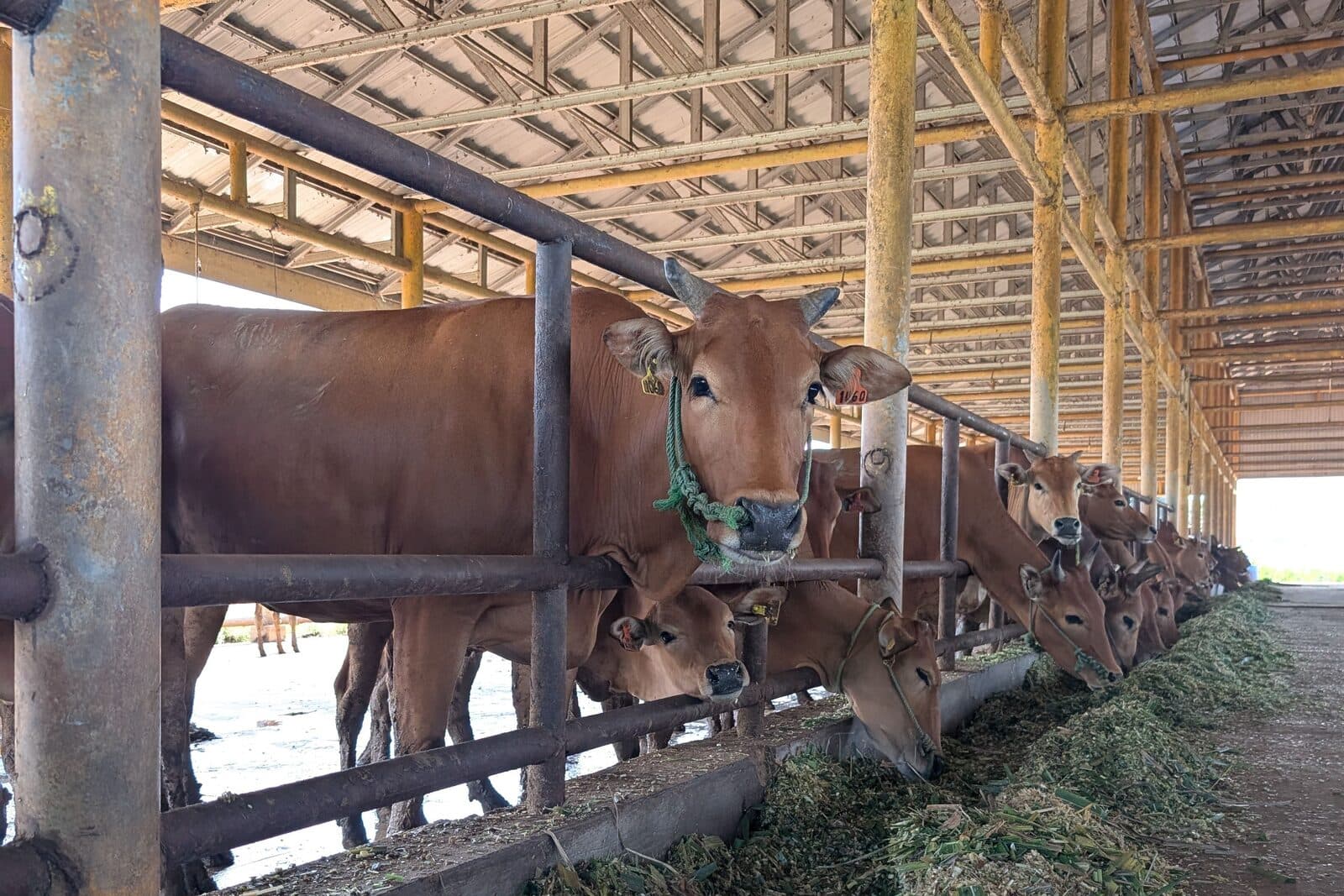
- Animal or batch identification and description (species, breed, sex, age)
- Movement history — where the animal lived, with dates
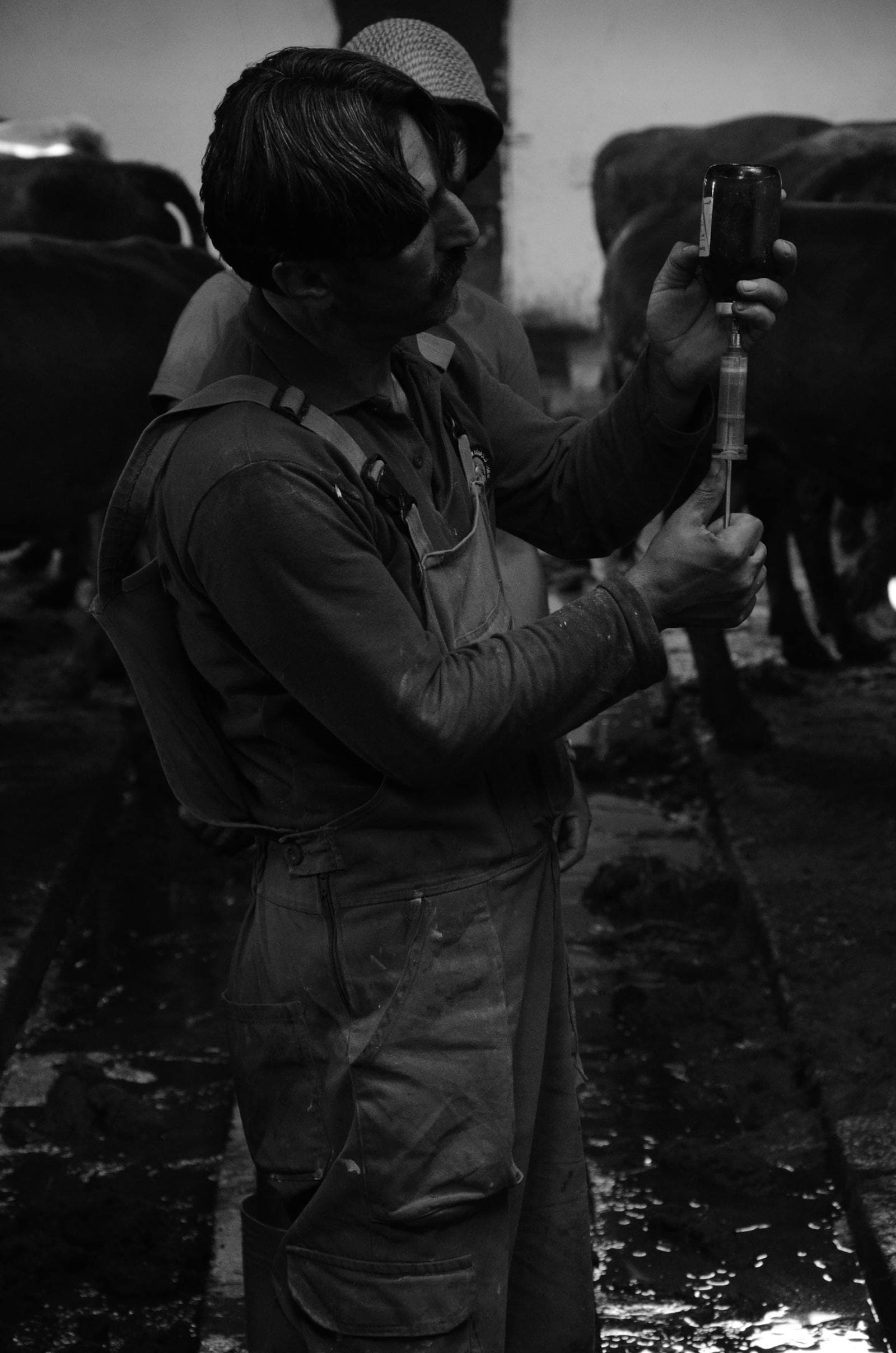
- Vaccination records attached before certificate issue, with withdrawal period evidence where recorded
- Treatment records attached before certificate issue, with withdrawal clearance where recorded
- Weight history and production evidence included in the certificate payload
- Sale, transfer, harvest, or mortality events included where they were recorded
The QR code opportunity
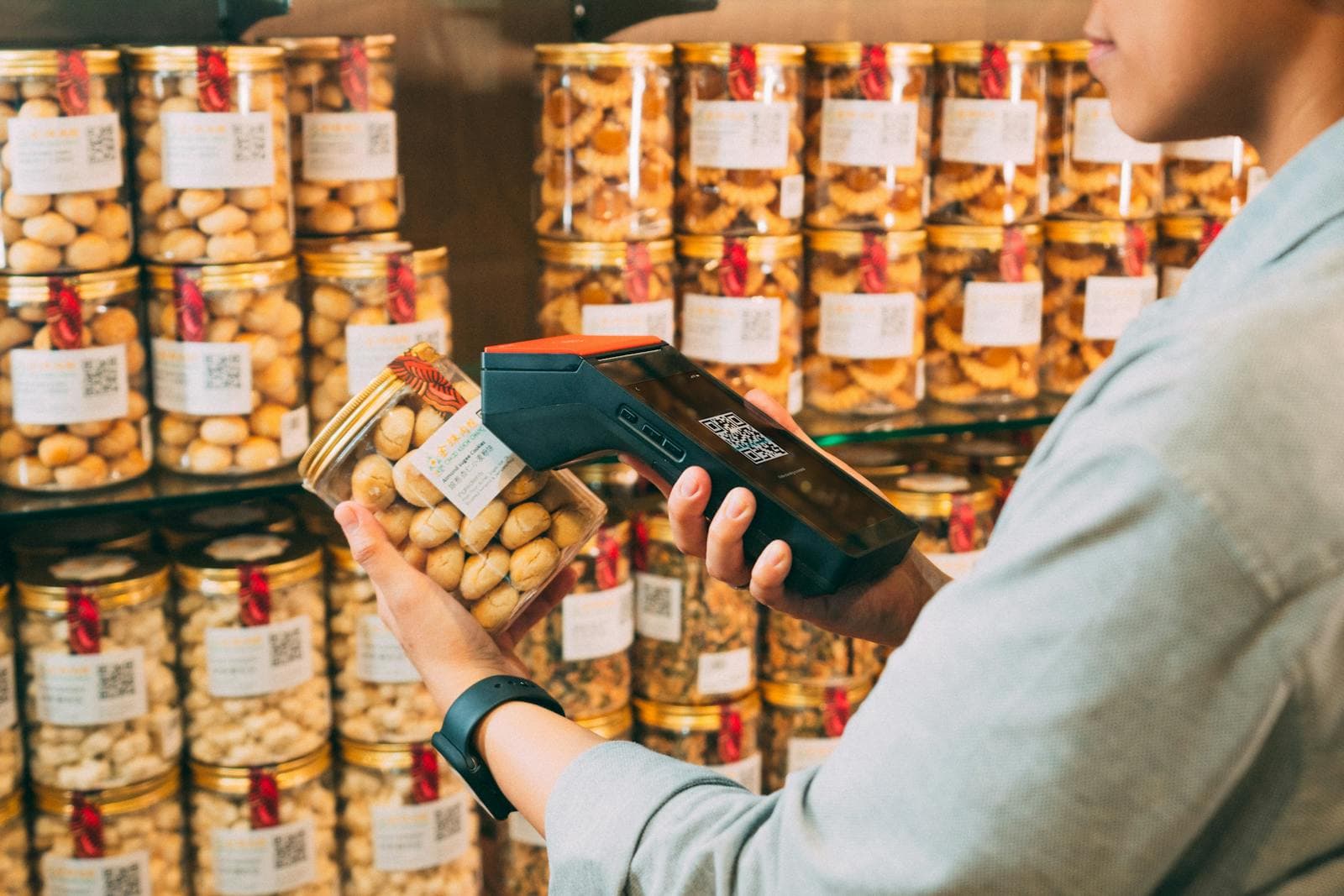
The most powerful version of traceability is consumer-facing: a QR code on the product packaging that a shopper can scan to see the farm, the animal, and the journey. This has moved from novelty to expectation in premium retail categories.
FuroTrack generates a public certificate for an animal or batch. Share the link with your buyer, or print the QR code on your invoice. The buyer scans it and sees the public certificate evidence — no login required, no PDF attachment.
Starting with traceability today
You don't need to have perfect records going back three years to start improving traceability today. You need consistent records going forward from today. A disciplined FuroTrack record builds the evidence buyers can review before making their own acceptance decision.
Ready to try FuroTrack on your farm?
Create a free account without a payment card and set up your first farm records.
Start free