Every farmer knows the feeling. You're standing at the sale pens, buyer asks for the animal's vaccination history, and you're flipping through a water-stained notebook hoping the right date is in there somewhere.
But poor record-keeping costs more than embarrassment. Here are five signs that your current system is leaking money.
1. You can't quickly calculate your feed cost per kilogram of gain
Feed is usually 60–70% of your production cost on a livestock or poultry operation. If you can't tell, within minutes, what each kilogram of growth is costing you on a given batch — you're flying blind. Farmers who track this number catch feed wastage and illness early, before it wipes out a batch's margin.
2. Animals get treated twice because no one checked the record
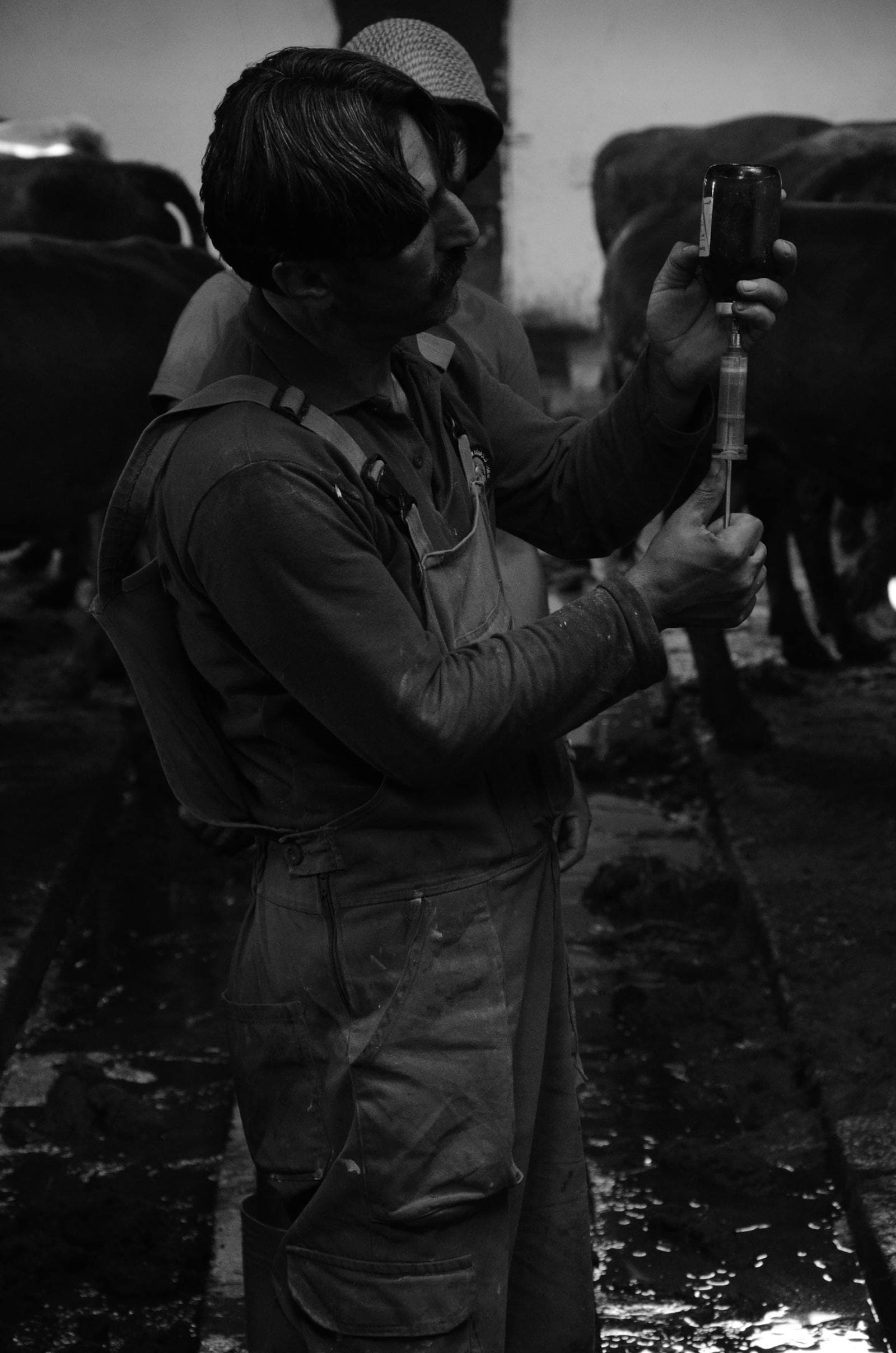
A stockman treats an animal on Monday. The vet visits Thursday and treats the same animal again for the same condition. This isn't just a medicine cost — it's a withdrawal period complication that can block a sale or slaughter. When treatment records live in separate notebooks or in people's heads, this happens more often than most farms admit.
3. You're not sure which animals were vaccinated last season
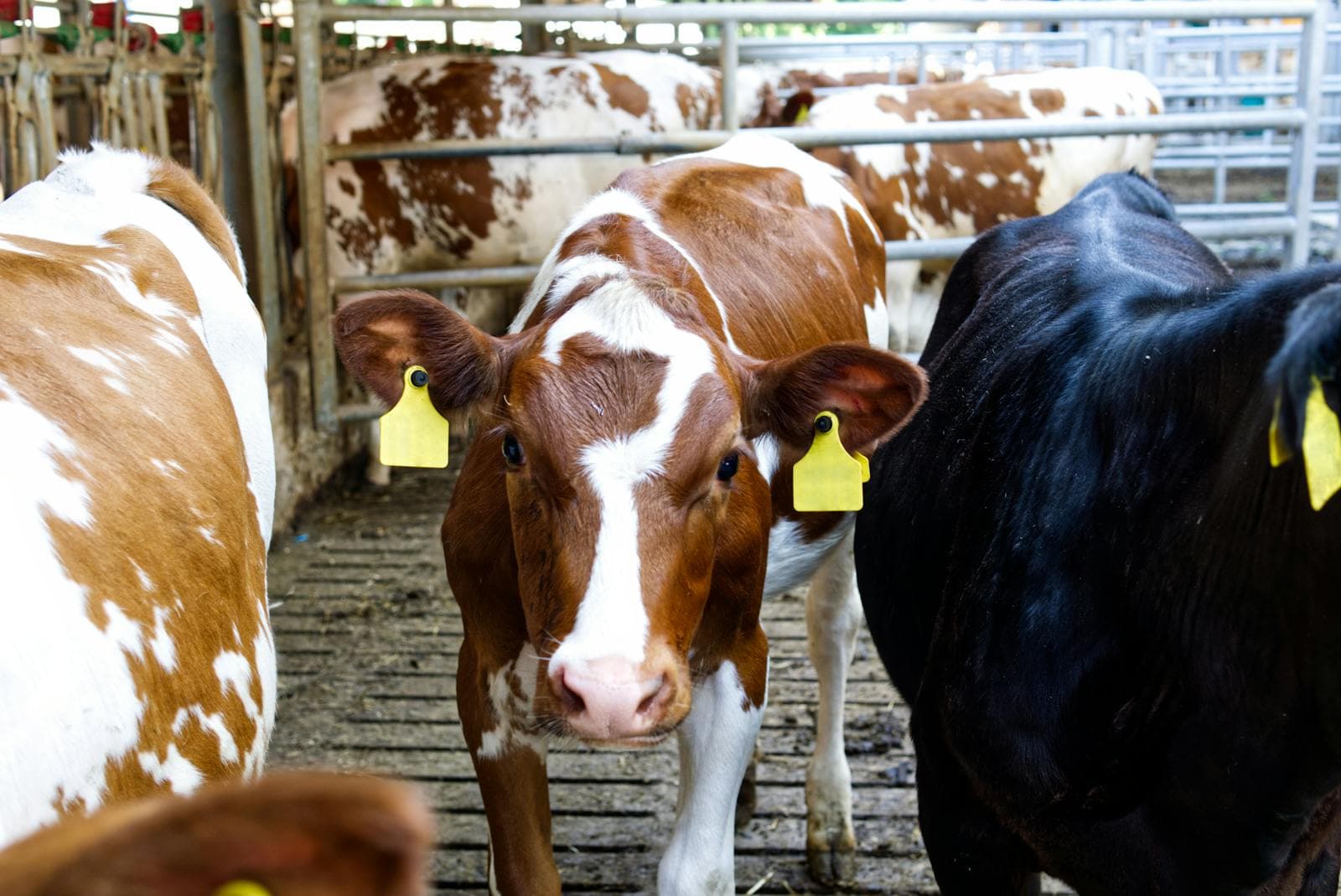
A government compliance check or an export market audit asks for your vaccination register. If you can't produce complete records per animal or per herd with dates, batch numbers and the administrator's name — you fail. The cost isn't just the fine; it's losing access to premium markets.
4. Your best performers and worst performers look the same on paper
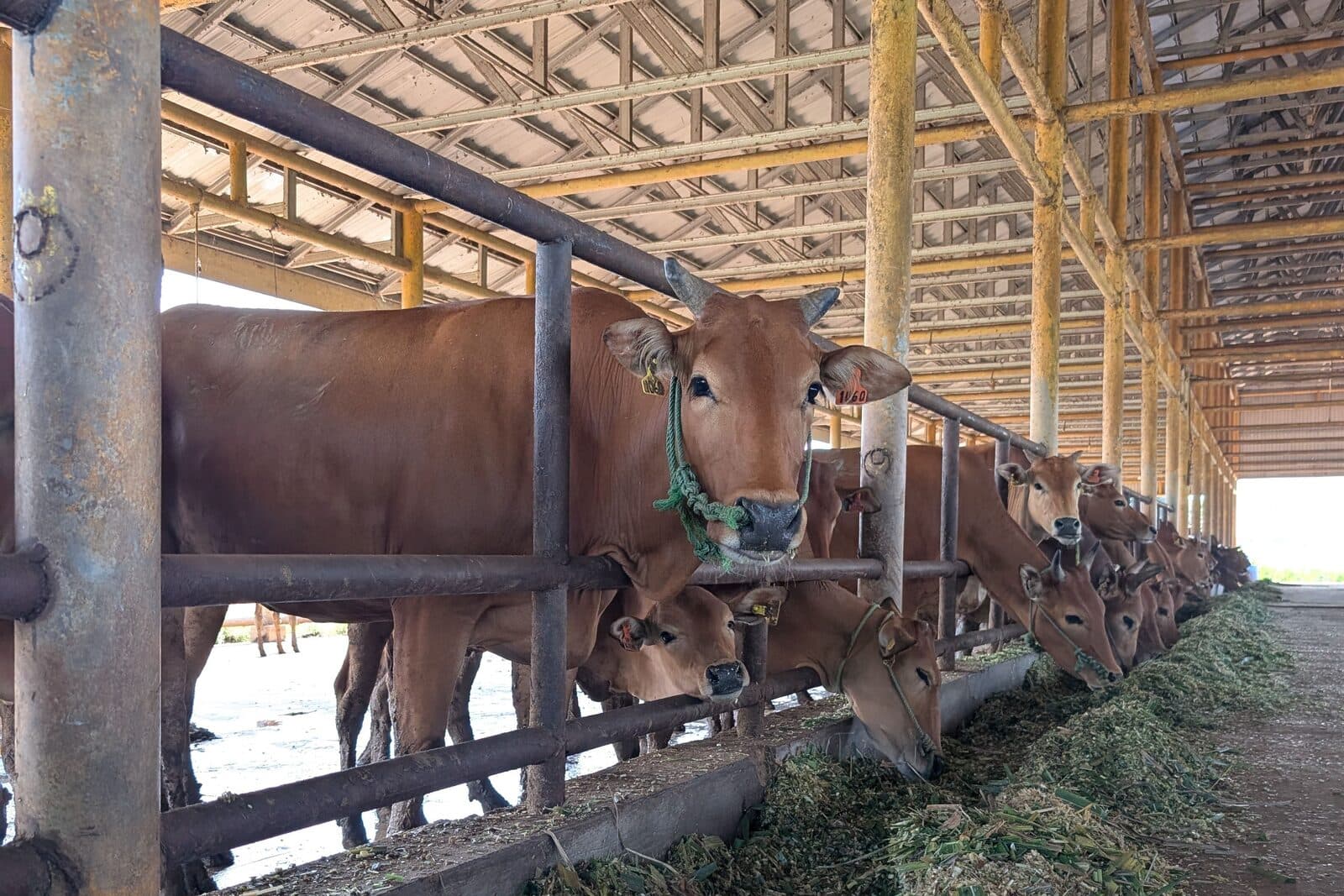
On a well-run commercial operation, you should be able to sort your batches or animals by profit per head. Your top 20% of cattle might be earning 3× what the bottom 20% earn. Without records, you keep replacing underperforming genetics and management practices because you can't see the difference.
5. You find out about problems after they're expensive
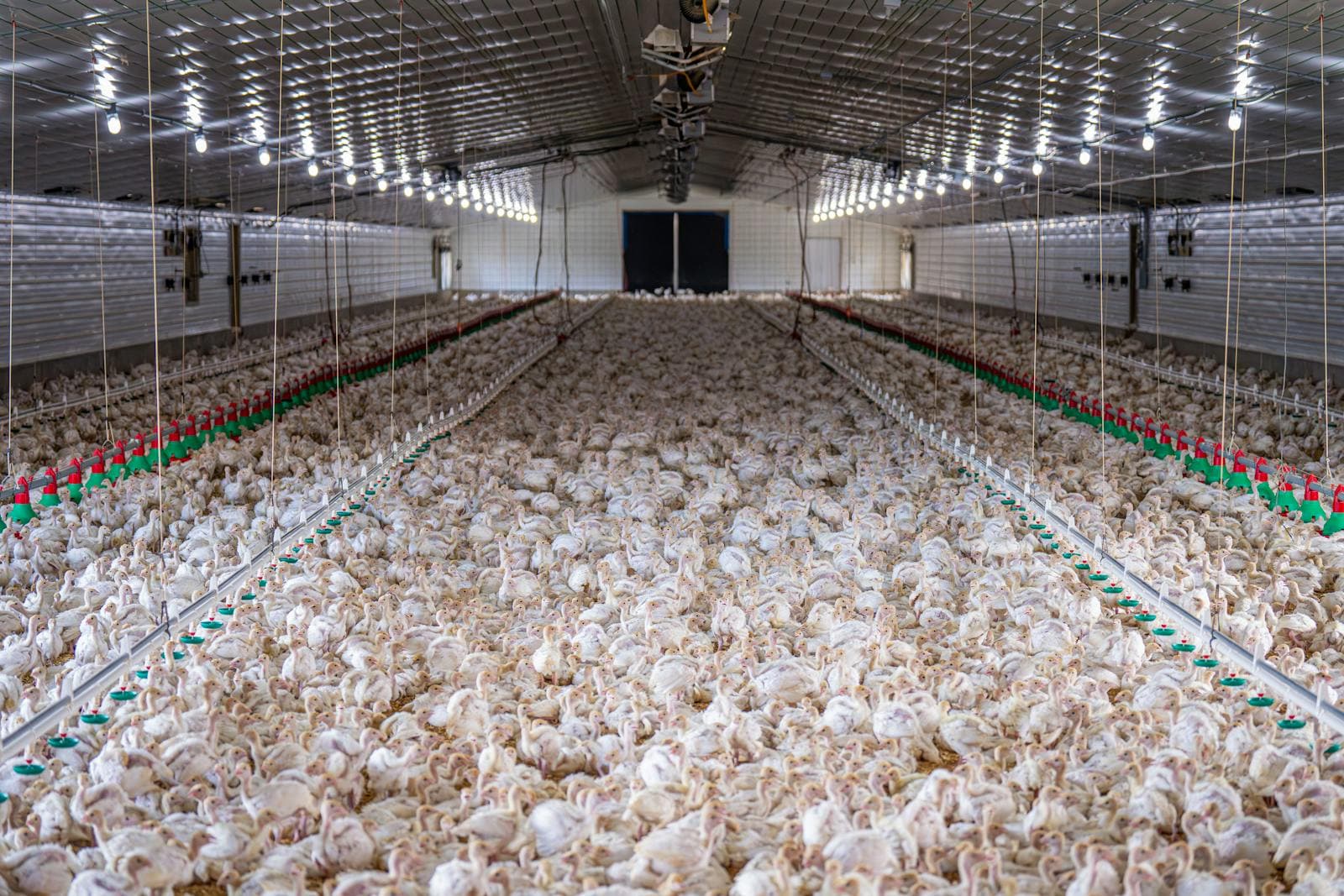
Mortality that should have triggered a response at 2% gets noticed at 8%. A water trough that ran dry for three days is discovered when growth rates drop two weeks later. When records are manual, the feedback loop is too slow.
What good records change
Digital farm records don't require expensive hardware or a degree in technology. They require consistency — scanning a tag, recording a weight, logging a treatment. When that data builds up over time, the patterns emerge automatically: which batches perform, which genetics pay off, which costs are creeping up.
That's the value of FuroTrack. Not complexity — consistency. Start with the basics: animals, weights, and health events. The insights follow.
Ready to try FuroTrack on your farm?
Create a free account without a payment card and set up your first farm records.
Start free